Frequently Asked Questions
-
Yes. BANT (the British Association for Nutrition and Lifestyle Medicine) and CNHC (the Complementary and Natural Healthcare Council) are the two leading professional bodies for nutritional therapists in the UK.
BANT sets rigorous training and qualification standards, only practitioners who have completed an accredited degree-level course, such as Louise's Diploma from the Institute of Optimum Nutrition (ION), can apply for membership. Members must also complete ongoing Continuing Professional Development (CPD) every year to maintain their registration.
CNHC is the independent UK voluntary regulator for complementary healthcare practitioners, set up with government support to protect the public. Its register is approved as an Accredited Register by the Professional Standards Authority for Health and Social Care, a body directly accountable to Parliament.
Together, BANT registration and CNHC accreditation are the gold standard for nutritional therapists in the UK. When choosing a nutritional therapist, always check they hold both — it confirms they are qualified, insured, and committed to the highest professional standards.
-
A nutritional therapist assesses your child's diet, health history, and lifestyle to identify nutritional imbalances that may be affecting their growth, behaviour, or relationship with food. Unlike a general diet plan, the support is fully personalised, with practical strategies, meal guidance, and ongoing check-ins tailored to your child's specific needs.
-
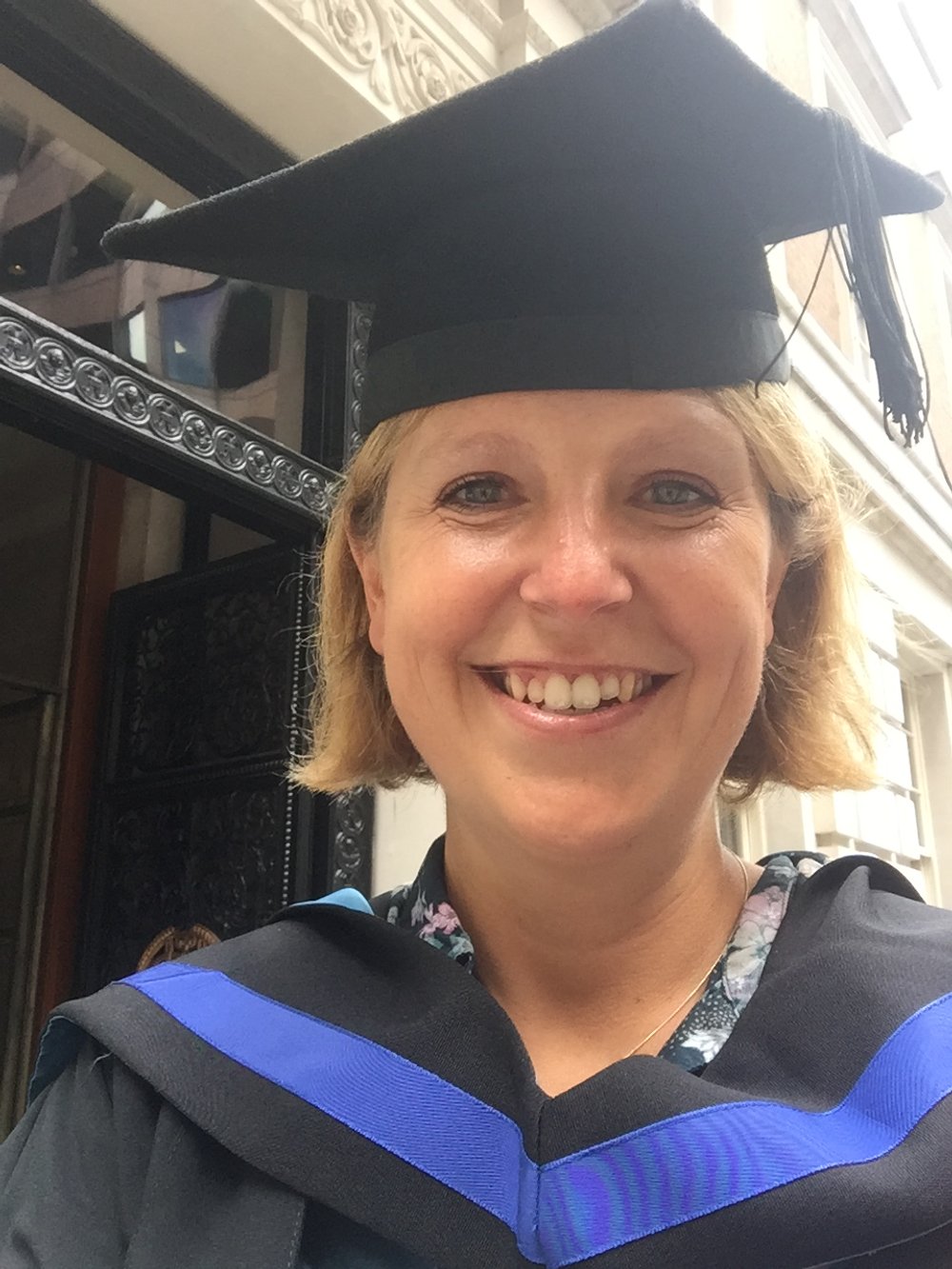
I have a Food Science Degree from the University of Leeds.
I have a Diploma in Nutritional Therapy after 3 years of studying at The Institute of Optimum Nutrition (ION). The course combines the latest theoretical knowledge from nutrition, science and psychology of behavioral change.
ION is a BANT-accredited course.
The title ‘nutritional therapist’ is not protected, to make sure you are getting an approved therapist, they must be registered with BANT (The British Association of Nutritional Therapist) and the CNHC (The Complementary and Natural Healthcare Council).
Only if a practitioner has completed an accredited course at a degree level or a postgraduate diploma can they apply for BANT membership.
Registration is voluntary, but members must have been trained from an accredited course, prove they have continued to train every year after qualifying and follow specific codes of conduct to remain certified and be insured.
-
If your child eats fewer than 20 foods, refuses entire food groups, gags or panics at mealtimes, is losing weight, or if mealtime stress is affecting your whole family, it's worth getting professional support. Picky eating that persists beyond toddler years, or is linked to sensory sensitivities or neurodivergence, rarely resolves on its own.
-
Yes. Research increasingly shows that gut health, omega-3 levels, iron, zinc, and magnesium all play a role in attention, emotional regulation, and sensory processing. A tailored nutritional approach can complement existing support for children with autism, ADHD, or sensory food aversions, helping them feel calmer, more focused, and more comfortable around food.
-
Every new client starts with a free 20-minute discovery call to talk through your child's challenges and see if we're the right fit. A full consultation then covers your child's full health and diet history, current eating patterns, and your family goals, resulting in a personalised plan you can start straight away.
-
A dietitian is an NHS-regulated profession focused primarily on clinical and medical nutrition.
A nutritional therapist takes a whole-body, root-cause approach, looking at gut health, immune function, sensory sensitivities, and lifestyle alongside diet.
Louise is BANT-registered and CNHC-accredited, the gold standard for nutritional therapists in the UK.