

Picky Eating Support
Helping Your Child Love Food, One Step at a Time

If your child survives on a handful of foods, refuses entire food groups, or mealtimes have become a daily battle, you are in the right place.
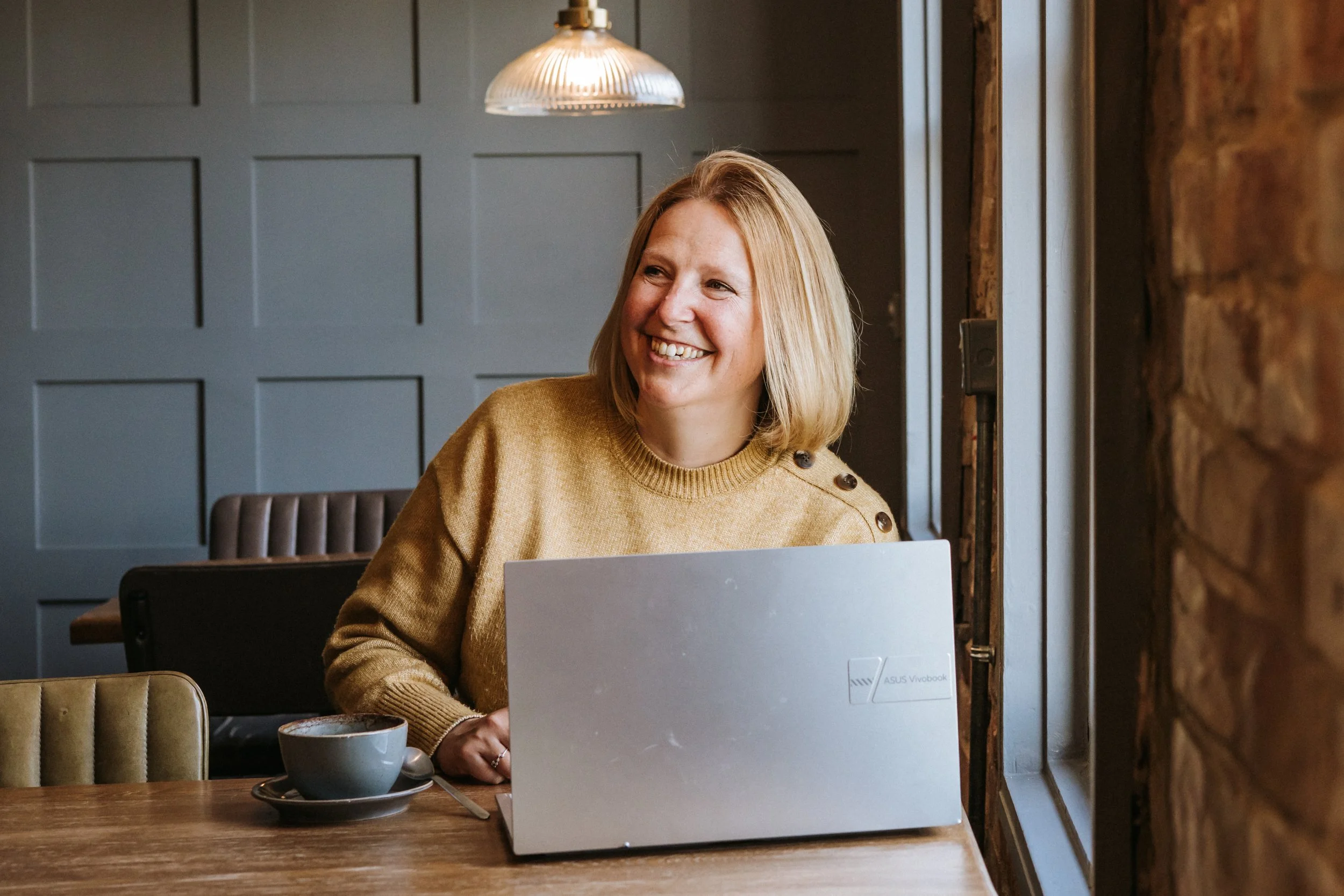
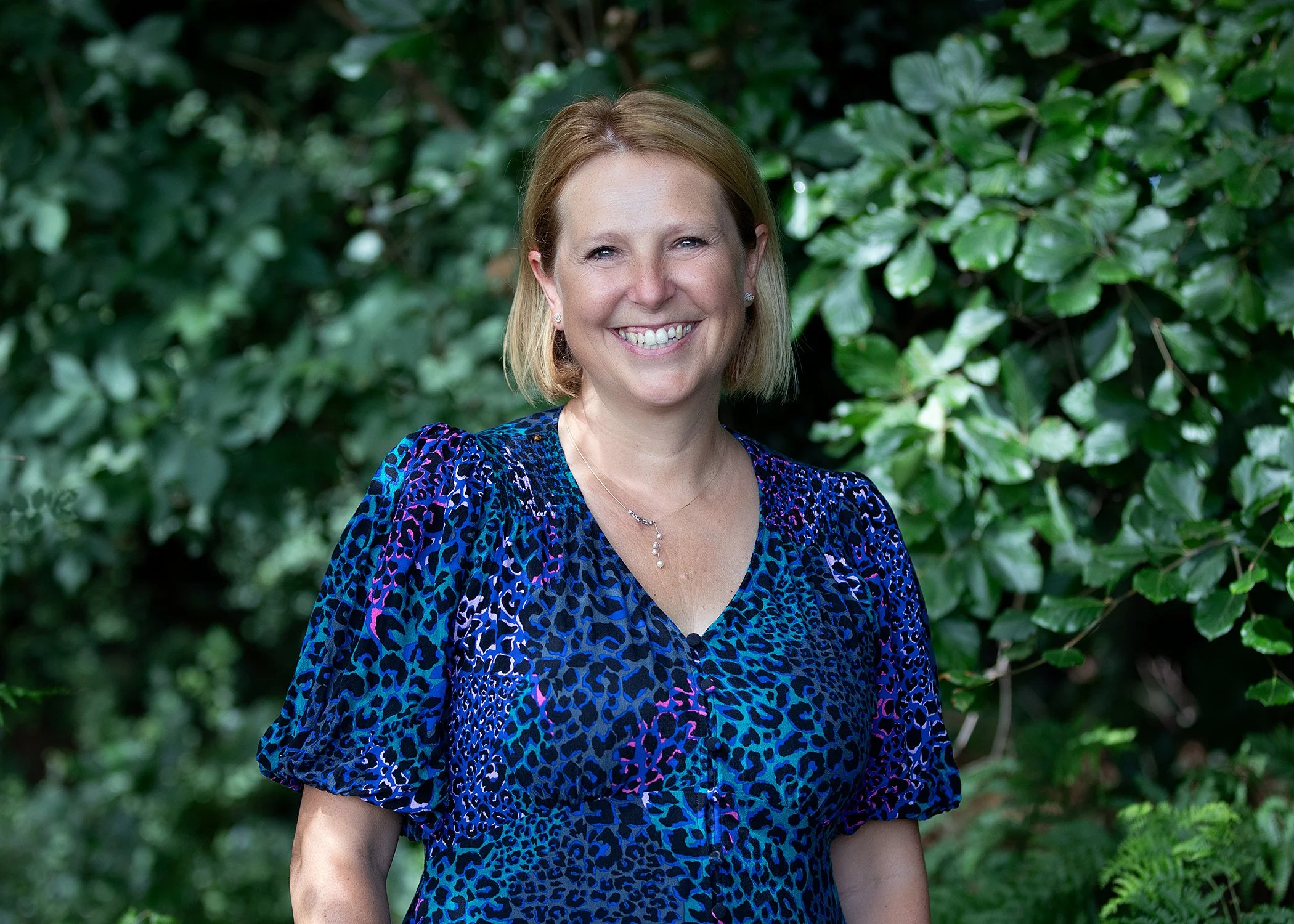
I'm Louise Slope, a BANT-registered nutritional therapist specialising in picky eating, food refusal, sensory feeding challenges, and ARFID support.
I work with families across Buckinghamshire, Berkshire and online across the UK, helping children build a healthier, happier relationship with food, one small step at a time.

When is picky eating more than just a phase?
Most children go through fussy eating phases, it's completely normal, especially between the ages of two and five. But there's a significant difference between a toddler who's going through a selective phase and a child whose eating is genuinely affecting their nutrition, growth, wellbeing, or family life. Here are some signs it may be time to seek specialist support:
✔ Your child consistently eats fewer than 20 foods
✔ They refuse entire food groups, all vegetables, all proteins, or anything with a mixed texture
✔ Mealtimes regularly involve tears, gagging, panic, or meltdowns
✔ Their limited diet is affecting their growth, energy, concentration, or sleep
✔ You suspect sensory sensitivities, certain textures, colours, smells, or temperatures are consistently refused
✔ You've been told it might be ARFID or extreme picky eating
✔ Your child is neurodivergent, ADHD, autism, dyslexia, or dyspraxia and food is a daily struggle
✔ Mealtime stress is affecting your whole family's wellbeing
If any of these feel familiar, you are in exactly the right place.

Why does picky eating happen and why doesn't it just resolve on its own?
Picky eating is rarely just stubbornness or bad behaviour, though it can feel that way from the outside. In my experience, there is always a reason behind the struggle.
The most common underlying causes I see are:
Sensory sensitivities: certain textures, temperatures, colours, or smells are genuinely overwhelming for some children, particularly those who are neurodivergent. What looks like "being difficult" is often a real sensory experience the child has no control over.
Food anxiety: children who have had a frightening experience with food (choking, vomiting, a bad reaction) can develop real anxiety around eating that makes trying new foods feel genuinely threatening.
Gut health imbalances: digestive discomfort, bloating, or constipation can make eating feel uncomfortable or even painful, leading children to restrict what they eat to avoid the feeling.
Limited flavour exposure: children who weren't exposed to a wide variety of flavours and textures early in weaning are more likely to develop restricted eating patterns as they get older.
The critical thing to understand is that without addressing the root cause, whatever is actually driving the picky eating, the problem is very unlikely to resolve on its own. And that's exactly where I come in.
My approach to picky eating is gentle and always without pressure
I never use pressure, force, or "eat it or go hungry" approaches. Research consistently shows these make picky eating worse, not better, especially for sensory-sensitive and neurodivergent children.
Instead, my approach starts with understanding why your child eats the way they do. That means a thorough look at their full health history, their sensory profile, their gut health, and the family dynamics around mealtimes, because all of these play a role. From there I build a personalised plan that:
✔ Addresses the root cause — not just the surface behaviour
✔ Protects your child's nutrition while we work on expanding their diet — so their growth and development is never compromised
✔ Introduces new foods gradually and gently using evidence-based exposure techniques that feel safe for your child
✔ Works with your whole family — because picky eating affects everyone at the table, not just the child
✔ Fits around real family life — no unrealistic meal plans, no complicated protocols, just practical steps you can actually follow
Progress is rarely linear. There will be better weeks and harder ones. My role is to keep you focused on the direction of travel and to celebrate every small win along the way, because in this work, small wins are everything.
I'm walking this journey too, as a parent
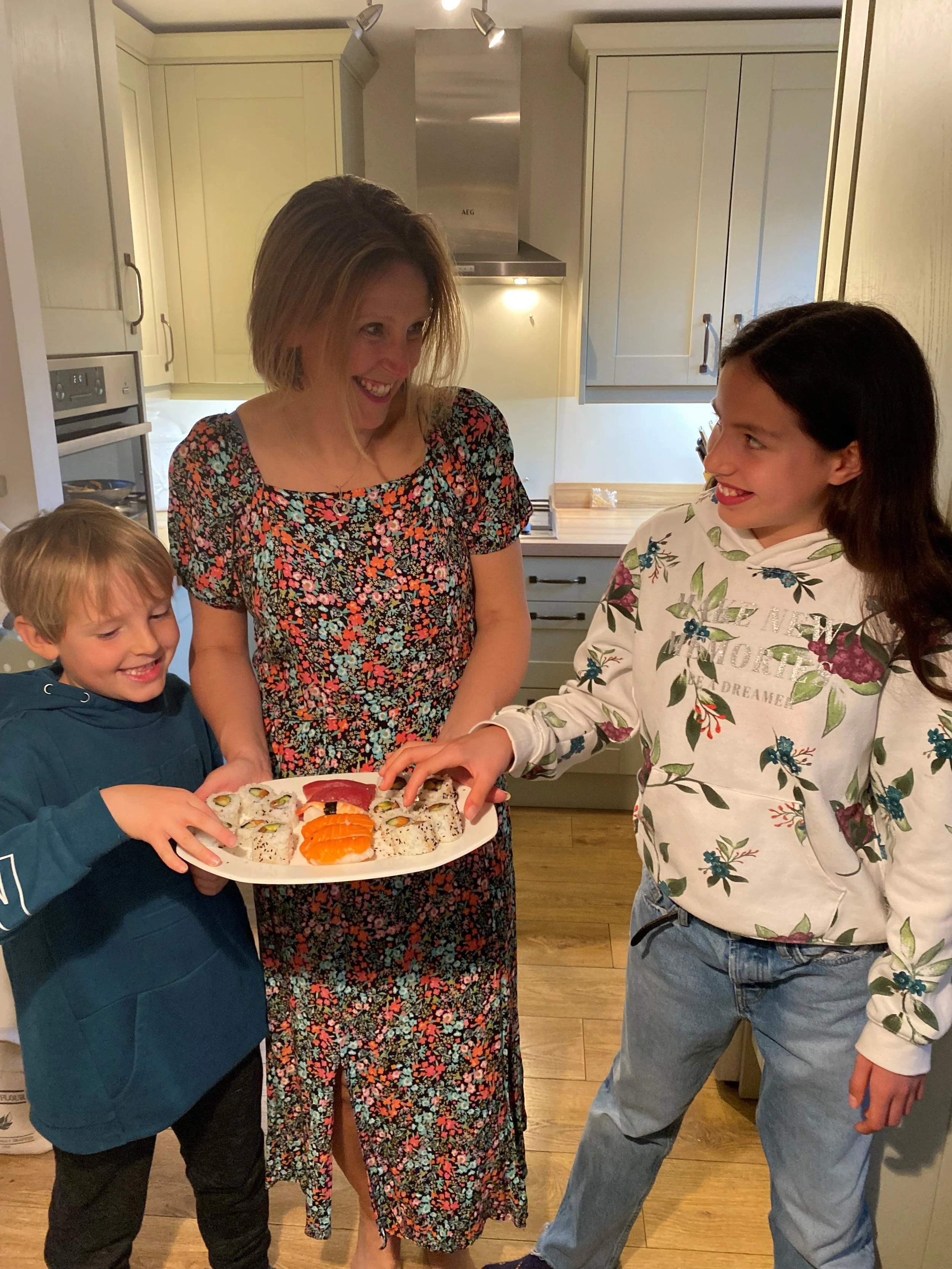
My journey into picky eating support wasn't just professional; it was deeply personal. When my son developed extreme picky eating, I was told "he'll grow out of it" and "he'll eat when he's hungry." But mealtimes became a daily battle, and I knew there had to be a better way. Through my training, I discovered what so many parents aren't told: eating challenges in children often have root causes, sensory sensitivities, gut health imbalances, food anxiety. They're not just being fussy. And they don't have to stay stuck.
I've uncovered the barriers my son faces and together we're working through them, step by step.
Progress is slow, but we are getting there. And I want that for you too.
I'm not just a nutritional therapist. I'm a parent who truly gets it.

Picky eating in neurodivergent children, a specialist area
Children with ADHD, autism, dyslexia, and dyspraxia are significantly more likely to experience sensory food aversions and extreme picky eating.
The neurological differences that affect how they process sensory information in other areas of life extend to food, making mealtimes genuinely distressing rather than simply difficult.
I have specialist training in neurodivergent nutrition and understand the sensory, neurological, and emotional factors that sit beneath many feeding challenges.
If your child is neurodivergent, I will tailor everything to their specific sensory profile, not apply a one-size-fits-all approach. If you'd like to find out more about my neurodivergent nutrition support specifically:
One of the questions I'm asked most often is what the difference is between picky eating and ARFID — Avoidant Restrictive Food Intake Disorder.
Picky eating is common in childhood and usually involves preferences and mild food refusal that improves with time and the right approach. ARFID is a recognised eating disorder involving extreme food restriction, often rooted in sensory aversions, fear of choking or vomiting, or a complete lack of interest in eating.
It rarely resolves without specialist support and can significantly affect a child's growth, nutrition, and quality of life. If you suspect your child may have ARFID rather than typical picky eating, I have specialist training in this area and have worked with many families navigating this challenge. The right support makes a profound difference.
Is it picky eating or ARFID?
Parent Feedback
Watch the Free Replay: Food Confidence Workshop
If feeding your child feels like a daily battle, you're not failing. You're not doing it wrong. Mealtimes are hard. Especially when your child eats just six foods. When dinner ends in stress, second-guessing, or tears, theirs or yours.
When you're trying so hard to stay calm, say the right thing, not apply pressure and it still feels impossible.
But here's the truth:
It's not your fault.
There's always a reason behind the struggle.
And once you understand why mealtimes are a challenge, you can build a plan that works for your child. In this workshop I explored the real barriers to happy mealtimes, from sensory issues and gut health to food anxiety and how to move forward with less stress and more confidence. I'm walking this journey too, as a parent.
I've uncovered the barriers my son faces, and together we're working through them, step by step. Progress is slow, but we are getting there. And I want that for you too.
I'm joined in this workshop by Camilla, a Cognitive Behavioural Hypnotherapist from Feeling Positive, who brings her expertise in managing food anxiety and supporting children's mindset around mealtimes.
Watch the replay below, it's free and full of practical strategies you can start using straight away.

Which Programme is Right for Your Child?
-

First Steps £245
The perfect starting point for families looking for immediate, practical strategies to reduce mealtime stress.
Ideal for mild to moderate picky eaters who need clear, expert guidance.
Includes: 1 x 90-minute initial consultation + 1 x 60-minute follow-up at 4-6 weeks. Email support throughout.
-

Fun on the Fork £490
For children who need structured, gentle support to expand their food choices.
We introduce new foods playfully and without pressure, celebrating every small win along the way.
Includes: 1 x 90-minute initial consultation + fortnightly 60-minute check-ins over 3 months. Email support between sessions (Payment Schedule Available).
-

Mealtime Explorers £900
Our most comprehensive programme for children with severe picky eating, food anxiety, sensory feeding challenges, or ARFID.
Six months of consistent, expert support for deep, lasting change.
Includes: 1 x 90-minute initial consultation + weekly or fortnightly 60-minute check-ins over 6 months. Priority email and messaging support throughout (Payment Schedule Available).
Frequently asked questions
-
If your child eats fewer than 20 foods consistently, mealtimes are regularly distressing for your whole family, their limited diet is affecting their growth or development, or you suspect sensory sensitivities or neurodivergence are involved, it's worth seeking specialist support. A free discovery call is the easiest place to start.
-
Every child is different, but most families notice meaningful changes within 8 to 12 weeks of consistent, specialist support. Progress is rarely linear and there will be better weeks and harder ones. My role is to keep you focused on the direction of travel and celebrate every small win along the way.
-
Absolutely, this is one of my specialist areas. Neurodivergent children often experience food challenges for specific neurological and sensory reasons that require a tailored approach. I have specialist training in neurodivergent nutrition and personal experience as a parent in a neurodivergent household.
-
Yes, I work with children from weaning age right through to teenagers. Picky eating looks different at different ages and my approach is always tailored to your child's specific developmental stage, sensory profile, and family circumstances.
Not sure which programme is right for your child?
That's exactly what the free discovery call is for.
Book a relaxed 20-minute conversation and we'll talk through your child's specific challenges together, no commitment, no pressure, just a chat to find the best way forward for your family. One step at a time, together.